


About Us
Situated on the unceded and occupied territories of the Coast Salish Peoples, including the xʷməθkʷəy̓əm (Musqueam), Sḵwx̱wú7mesh (Squamish), Sel̓íl̓witulh (Tsleil-Waututh), and Stó:lō nations, the Vancouver Aboriginal Child and Family Services Society (VACFSS) is a leader in delivering culturally-grounded, restorative family services to urban Indigenous families within the City of Vancouver.
We are an Indigenous‑led, fully delegated, non‑profit Child and Family Services Agency. Through delegation agreements, the Provincial Director of Child Welfare grants authority to Indigenous Child and Family Service Agencies like ours to administer parts of the Child, Family and Community Service Act. While the Province delegates certain responsibilities to us, our governance and accountability remain independent.
We are not MCFD. We work closely with MCFD and with other ICFSAs, but our practice is grounded in Indigenous culture, supporting families, reducing harm, and keeping children connected to their families and communities.
Established in 1992 from community advocacy, we offer a full spectrum of services encompassing Family Reunification and Preservation, Guardianship, Child Protection and Resources.
We strive to culturally and spiritually strengthen the families we serve and our practice is guided by policy and research done in partnership with the communities we work alongside.
Early Beginnings
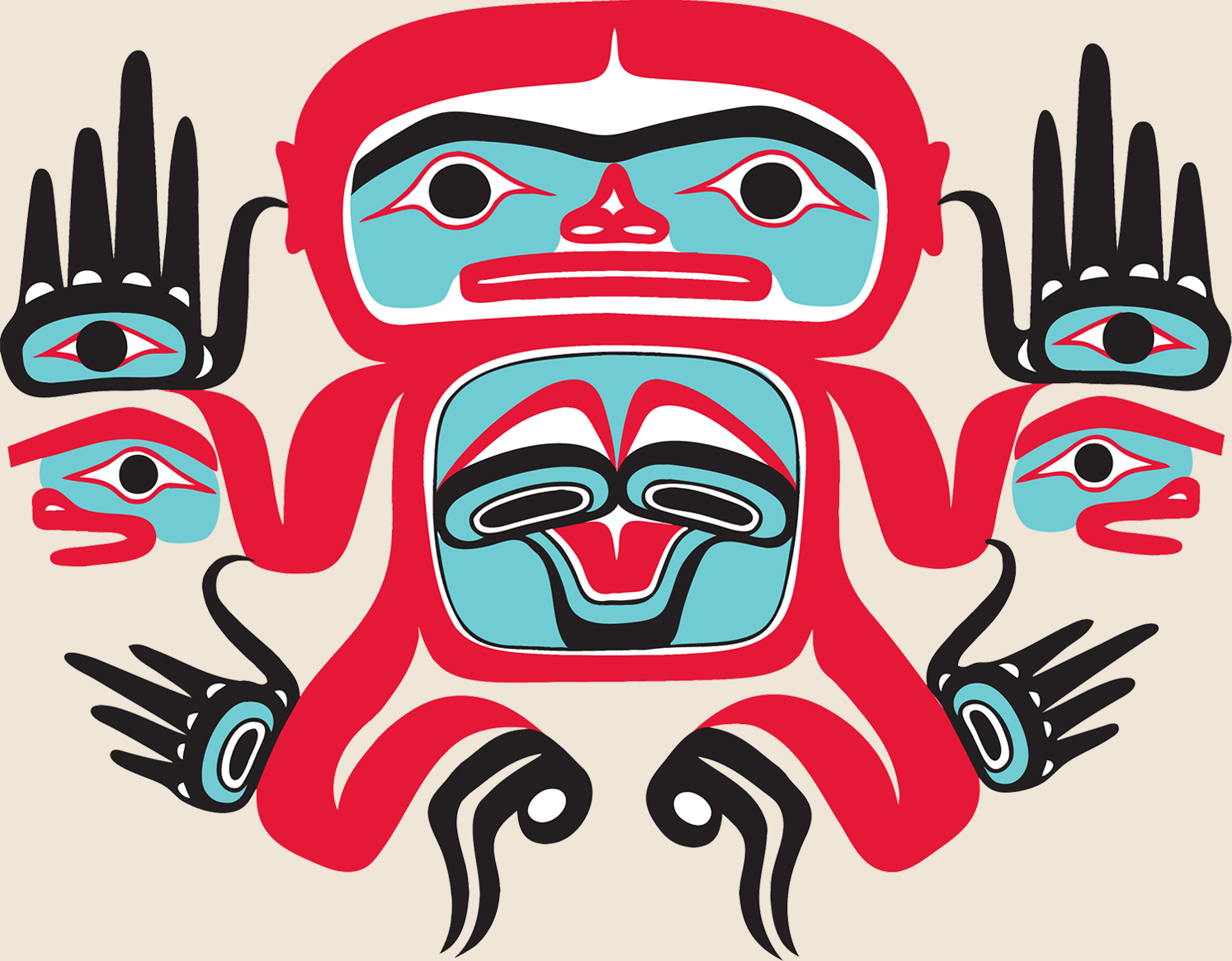
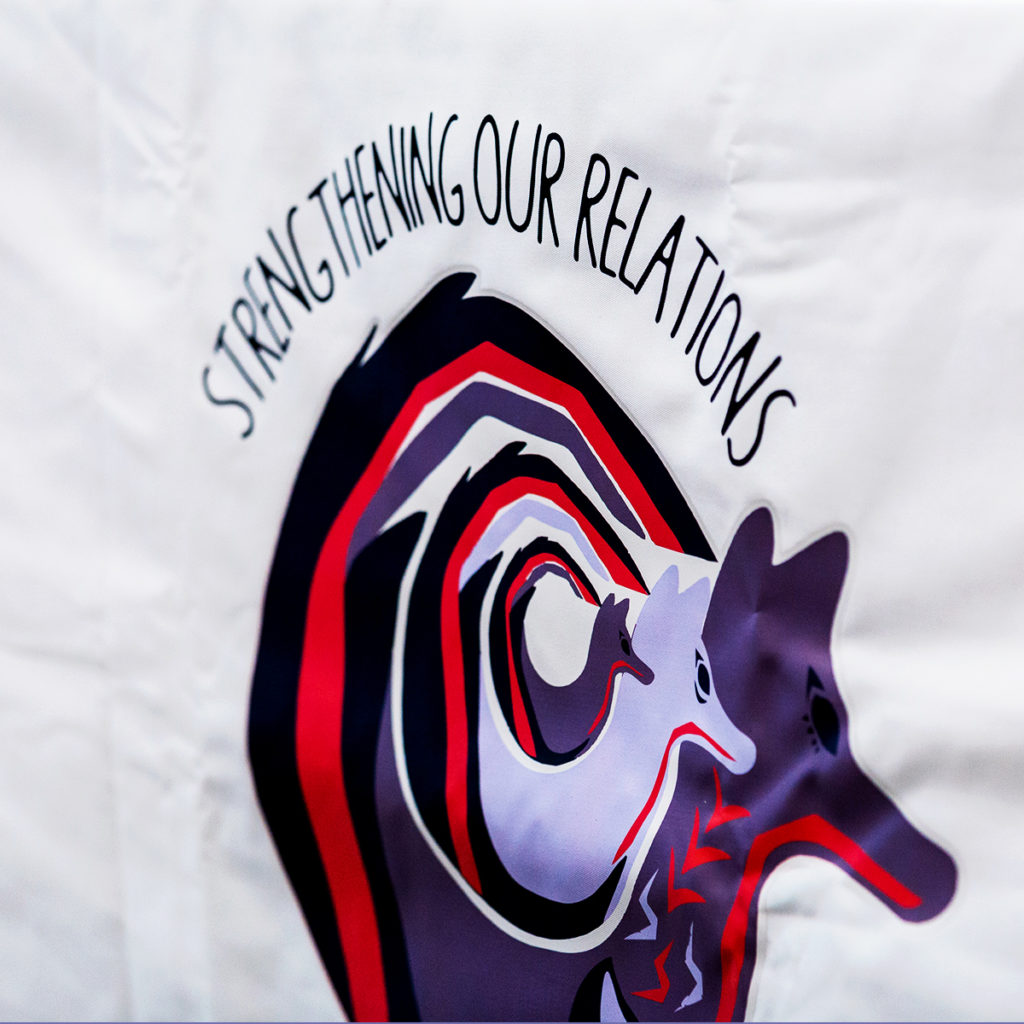
Our Logo
Laurence Wilson, from the Nisga’a Nation, designed the Vancouver Aboriginal Child and Family Services Society logo in 1993. The translation for the logo is “Human and Wolf Child.” As the wolf represents family, this is a perfect symbol for our Agency, which has been established to strengthen Indigenous families. Laurence Wilson was born in 1954 in Nass River, an area located near the North Coast of British Columbia. Laurence has apprenticed under Norman Tait, a highly regarded West Coast artist, for three years and attended the prestigious Indigenous art school, ‘Ksan, from the beginning of 1978 to the end of 1979. He prefers to use such mediums as wood, canvas and hide in order to produce original paintings, drums and two-dimensional carvings. With his extensive background in design and form informed by his culture, Laurence Wilson has become one of the many prominent Indigenous artists in British Columbia.
×
About VACFSS logo
Service Departments
CHILD Safety (CS)
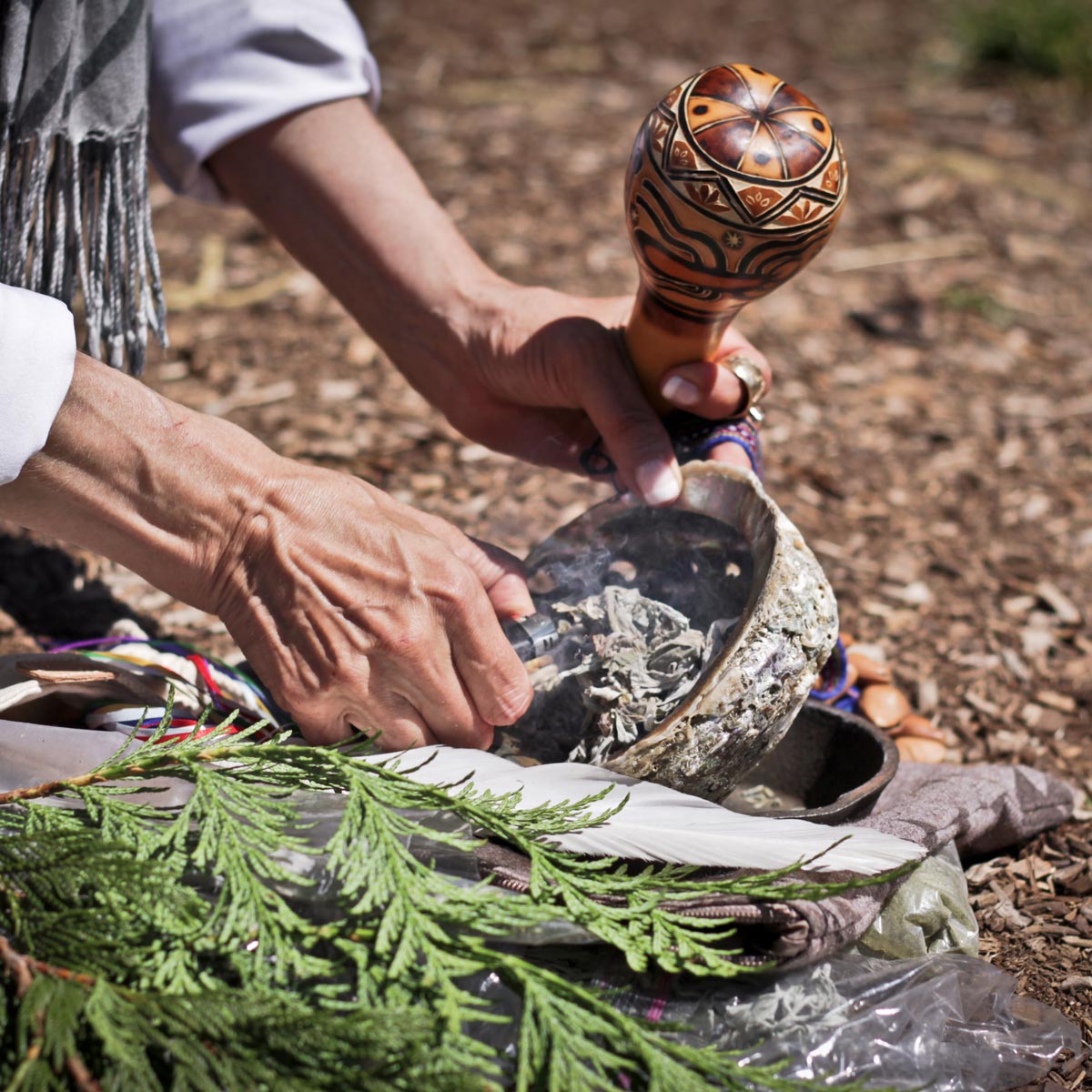
The Child Safety (CS) program works collaboratively with families by engaging their primary system of support, their affiliated First Nations community, other Indigenous agencies who serve the family’s affiliated community, and other resources to deliver child safety and family support and prevention services in the city of Vancouver.
RESOURCES
The mandate of the Resources Program is to provide safe alternate care for Indigenous children and promotes and respects their well-being and cultural identity. The Resources Program has children’s best interests at the centre of our work. Our focus and teamwork with other programs have resulted in children remaining at home with their parents and families, and children returning home.
FAMILY PRESERVATION AND REUNIFICATION
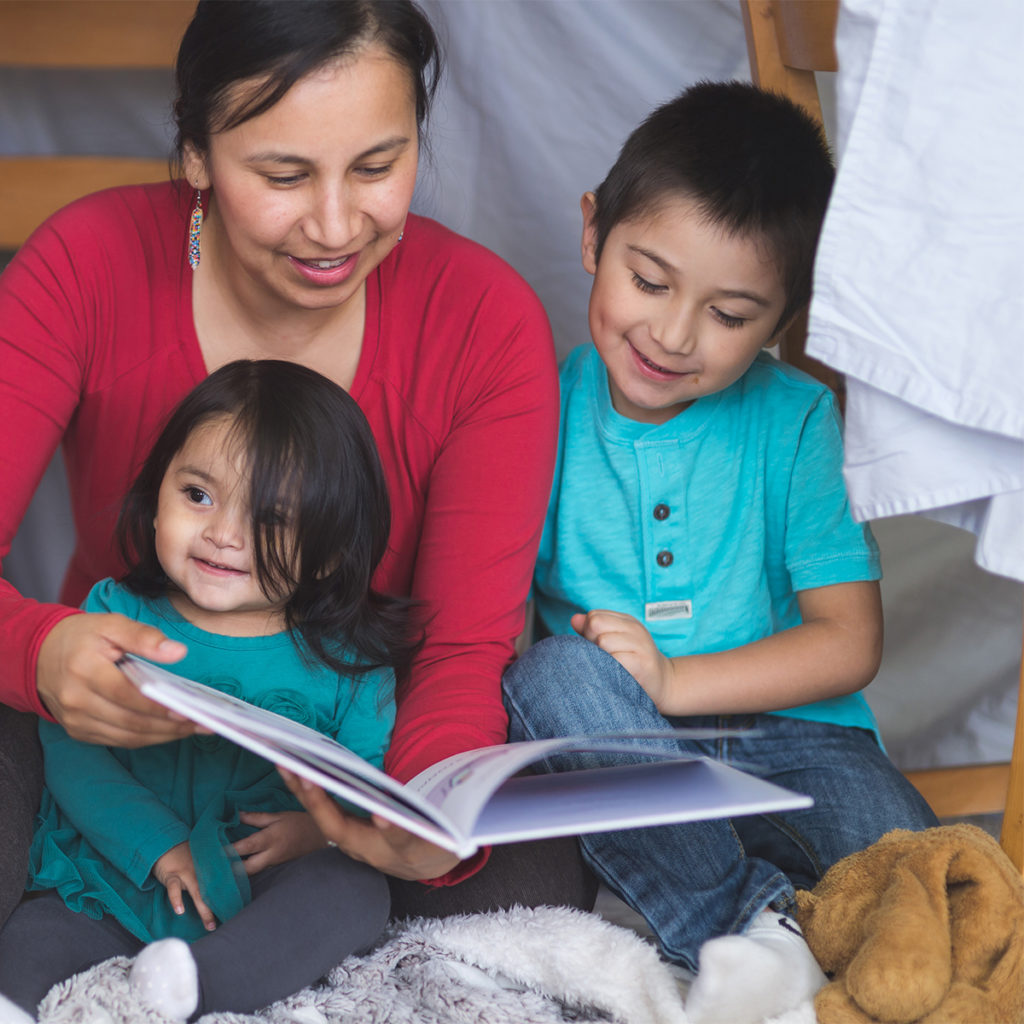
Under the Family Preservation and Reunification program, VACFSS coordinates a number of culturally-informed programs and services to support families, including in-home supports and strengthening group programs.
GUARDIANSHIP
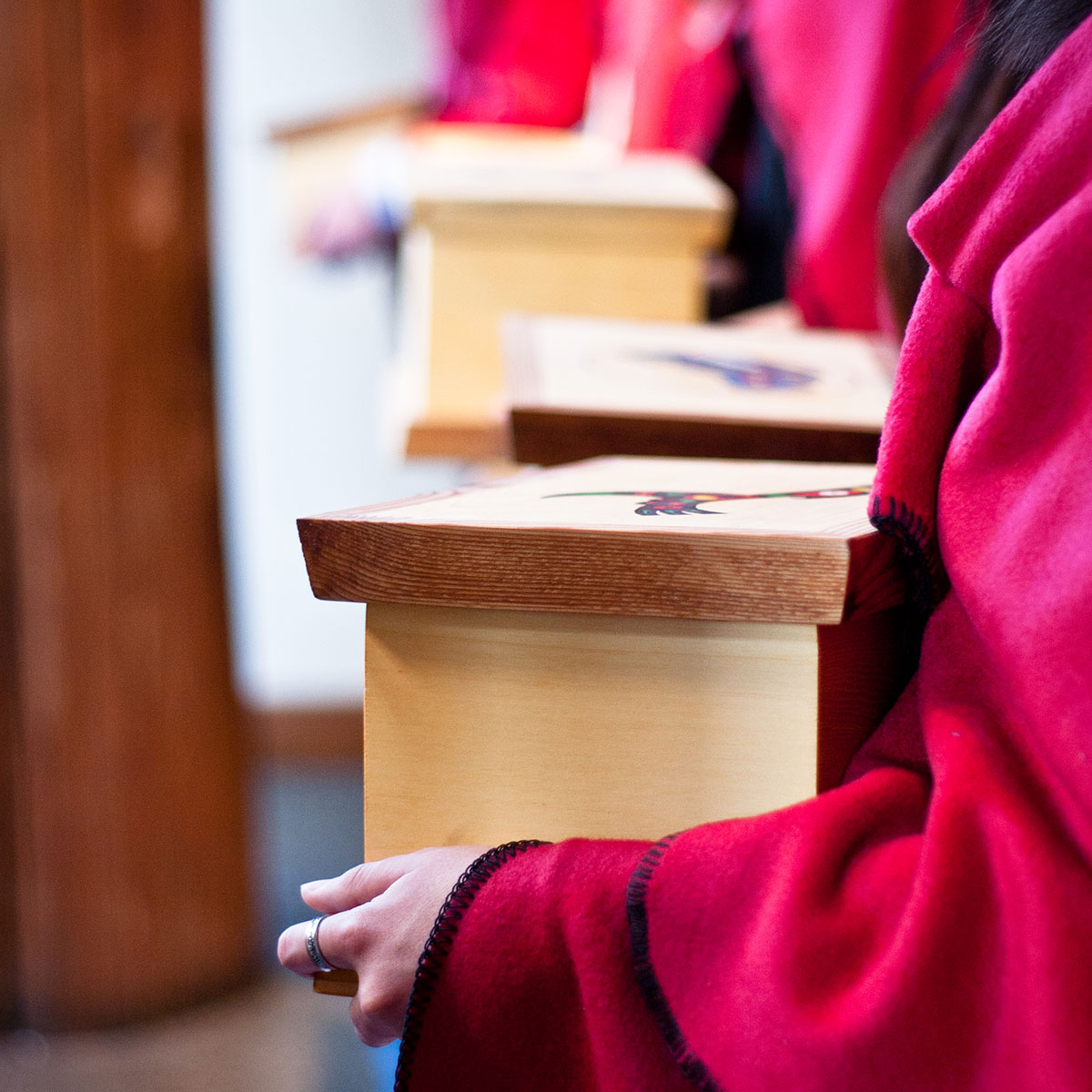
The VACFSS Guardianship program is responsible for the care and well-being of Indigenous children under a Continuing Custody Order. Our approach is situated in a model of the child in the centre of their circle of support, surrounded by family and community.
 " alt="
 " />
" />


