
• Skip to main content
  • Skip to footer
Careers
News and Stories
Annual Reports

Receive the latest news & updates

VACFSS

VACFSS

Vancouver Aboriginal Child and Family Services Society

  • About
    • Overview
    • History
    • Vision & Mission
    • Board of Directors
    • Policy & Research
    • Annual Reports & Publications
    • Protocols
  • Join us
    • Working at VACFSS
    • Practicum Opportunities
    • Careers
    • Become a member
  • News & Events
    • News & Stories
    • Events Calendar
  • Contact
ACCESS RESOURCES FOR...
    Hear from young leaders and resources for children and youth in care.
  • Overview
  • Youth Advisory Committee
  • Resources
  • Youth Voices
    For families who have had child safety concerns reported or who are voluntarily seeking access to support services.
  • Child and Family Well-Being
  • Navigating child safety concerns
  • Family Preservation & Reunification
  • Client Concerns and Quality Assurance
    How to become a caregiver and resources for current caregivers.
  • Become a Caregiver
  • IFC Home
  • FAQ
  • Log Out
  • Events
  • Already a caregiver?

    LOG IN TO ACCESS RESOURCES
    Partnering with VACFSS to support a family or develop a child's plan.
  • Collaborative Partnerships
  • Programs
Home   >   Caregiving   >   Become a Caregiver

Sign up for an information session

Complete the form below

During the information session, you will learn more about caregiving roles and responsibilities as well as requirements, steps, and training to become a caregiver.
  • Are you Indigenous? If Yes, please specify:
  • Do you have a spare bedroom available for a child/youth?
  • Primary caregivers must currently be a Canadian citizen or Permanent Resident of Canada. Individuals with a work permit CANNOT be a caregiver. Please select your status:
  • Those interested in caregiving with VACFSS must reside in one of the following geographical locations. Please select which city you are currently a resident of:
  • How did you hear about us?
  • (optional) Have you worked with children and youth before?


https://www.vacfss.com/wp-content/uploads/2024/06/IMG00188-scaled.jpg

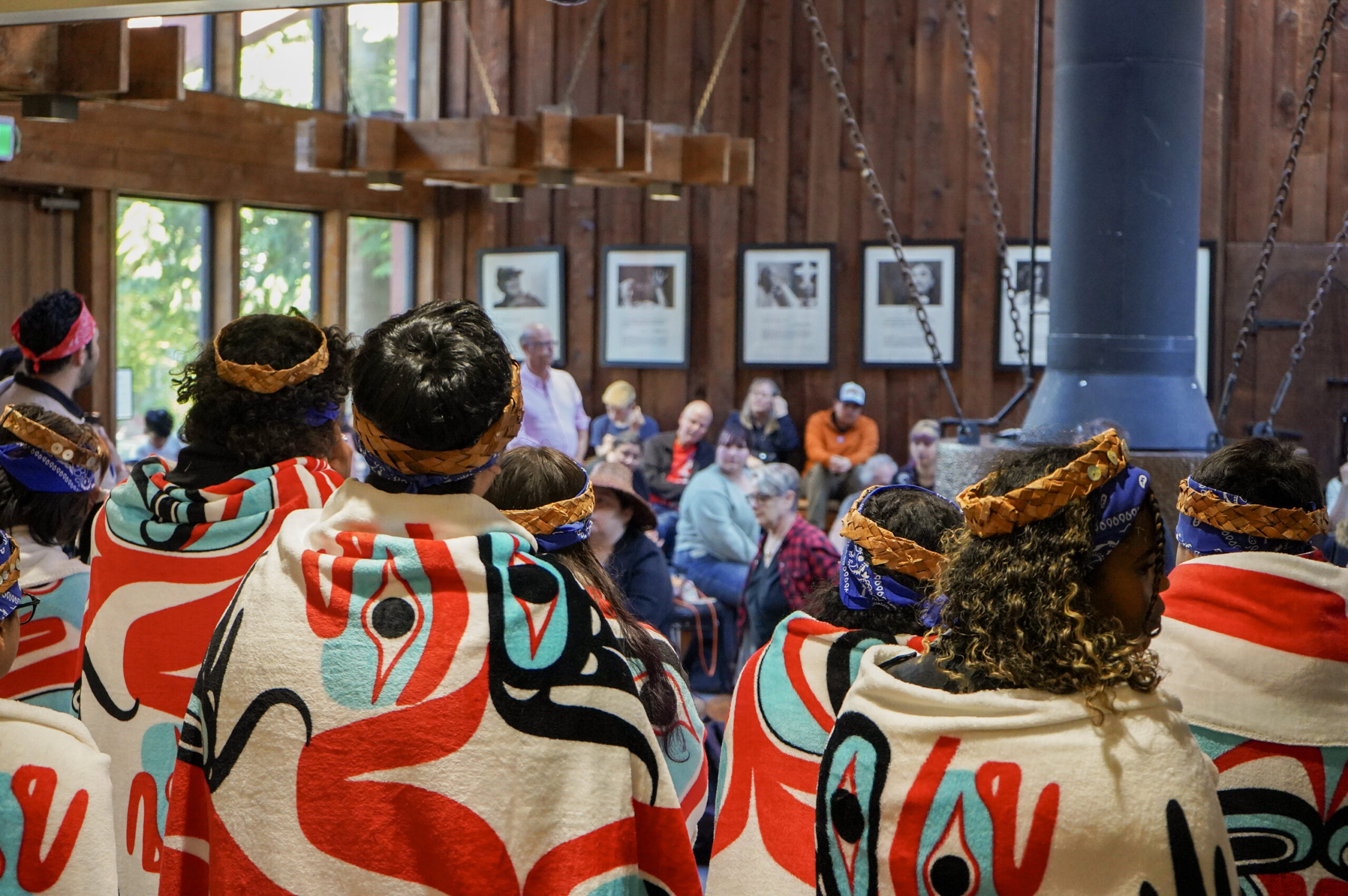
Join Our Circle as a Caregiver

We are actively seeking caregivers in Metro Vancouver (Vancouver, North Vancouver, Burnaby, New Westminster, Richmond, Coquitlam, Port Coquitlam, Port Moody, Surrey, and North Delta).   

With children at the centre of our circle, caregivers provide a nurturing and loving environment as well as a temporary home for children. Caregivers are supported in providing a holistic experience for the child and for their own care, with training, cultural resources, and other support provided once the necessary transition and onboarding process is completed. Read Caregiver stories >

Sign up above for our next information session to learn more about joining our circle in support of children, youth, and families.

STEPS TO BECOMING A CAREGIVER

  • 1. Establish what your reasons and motivations are for wanting to become a caregiver

  • We are seeking individuals who can care for children and:
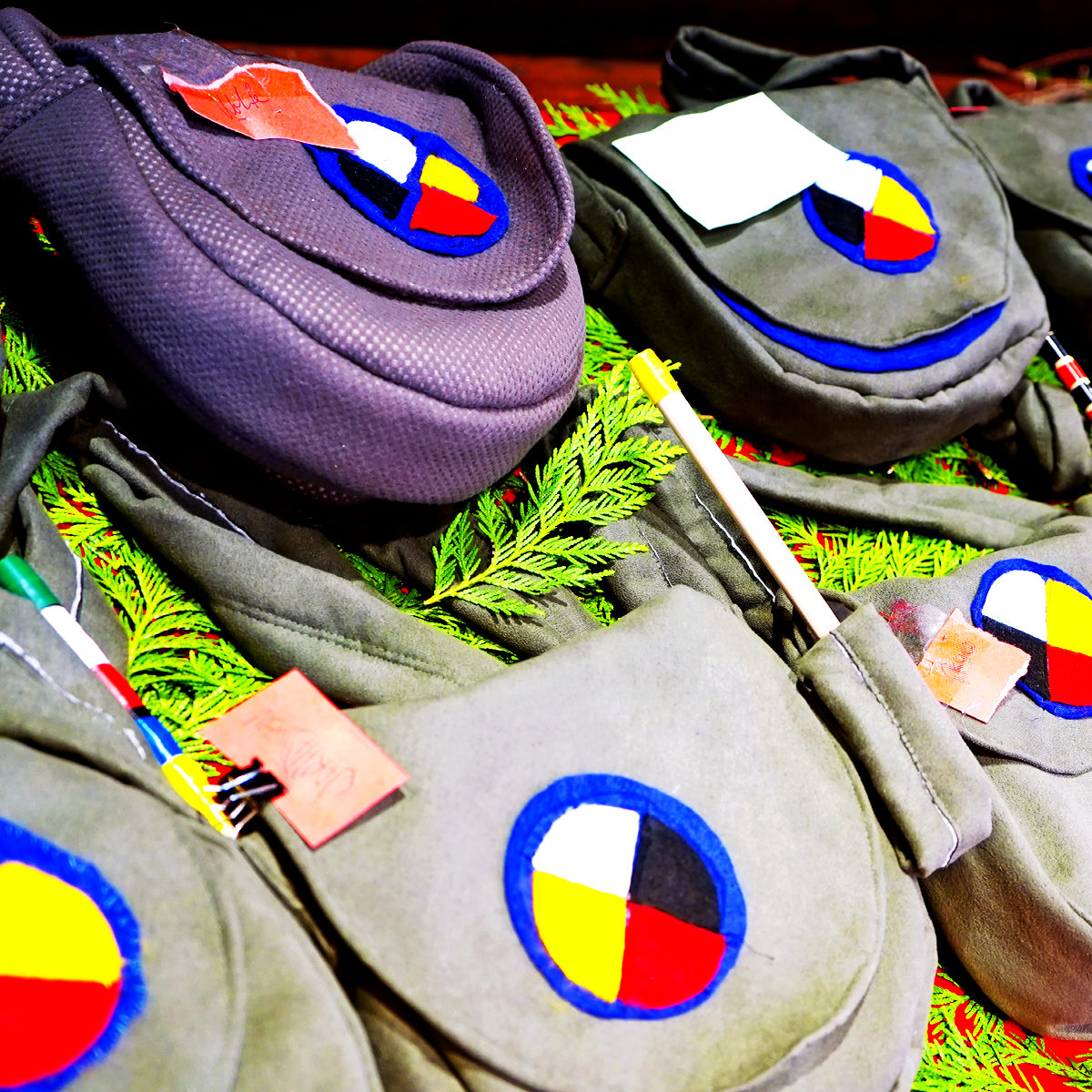
    • Who have patience, understanding, appreciation and love for children and youth;
    • Who value the important roles, knowledge, and experience of children and youth;
    • Who are knowledgeable and experienced with children’s needs and have a commitment to making a positive contribution to their lives;
    • Who will maintain a stable, structured and positive home environment;
    • Who have a willingness to participate in ongoing training opportunities to enhance and support their roles as caregivers;
    • Who are willing to take an active role as part of a professional team working with children in care;
    • Who value and actively participate in VACFSS’s Inclusive Foster Care policy that provides opportunities for children to remain connected with their cultural heritage and families;
    • Who live within Metro Vancouver and have access to their community resources and services;
    • Who have the physical space to accommodate a child.


  • 2. Sign up for an information session

  • Submit your contact information using the form at the top of this page. Once the form is submitted, a social worker will have a conversation with you about your interest in caregiving. This conversation can be a helpful first tool to assess yourself and your decision to continue the process of becoming a caregiver.

  • 3. Attend an information session

  • You will then be invited to an information session where the process of becoming a caregiver will be described on a visual or in-person platform with other applicants. We will have guest speakers , youth and caregivers who will present their lived experience.

    Information sessions occur every second Tuesday of the month at 5:30pm virtually via Zoom.

  • 4. Request and complete an application to provide care

  • At your request, and after attending an information session, an application package will be mailed to you to complete then return in person or mail to our office to begin processing. A resource file will be opened and our recruitment team will process the application; if successful, your application will move forward with a home study.

  • 5. Take part in the Structured Analysis Family Evaluation (SAFE) Home Study

  • A social worker will commence the SAFE home study interviews with a number of sessions that will be arranged. Areas that will be discussed are: your history, personal characteristics, partner relationship, a conversation with everyone who lives in the home, addressing extended family relations, viewing the physical environment of your home and assessing general parenting styles and skill.

    We offer a support system and expect our caregivers to work in partnership with VACFSS and our contracted partners. When a home study is completed, a recommendation to close the application or move forward as an approved caregiver is provided.

https://www.vacfss.com/wp-content/uploads/2019/12/IFC-FAQ-rotated.jpg

What are the different types of caregiving?

  1. Respite care provides temporary care for another family’s child, while the child’s biological parents can focus on some restorative time.
  2. Relief care provides a break to foster caregivers in caring for the child(ren).
  3. Foster care provides alternative care for children who are unable to live with their birth parents or legal guardians. We embrace the learning and teachings of Indigenous Knowledge and Oral Traditions, and are committed to providing the best alternative care for Indigenous children.
View more FAQs about caregiving

Questions?

Email us at care@vacfss.com or call 604-216-6118


GET IN TOUCH
DONATE

Sign up for our newsletter:

  • You may unsubscribe at anytime by clicking the unsubscribe link sent along with every newsletter.

Footer

CHILDREN & YOUTH
FAMILIES
FOSTER CAREGIVING
CAREGIVER LOGIN
INDIGENOUS COMMUNITIES

About

  • Overview
  • History
  • Vision & Mission
  • Board of Directors
  • Annual Reports & Publications
  • Policy & Research
  • Protocols

Join Us

  • Working at VACFSS
  • Practicum Opportunities
  • Careers
  • Become a member

Contact

  • Contact

Culture & Community

  • News & Stories
  • Events calendar

VACFSS acknowledges, with deep respect and gratitude, that our work takes place on the traditional, ancestral, and unceded territory of the hən̓q̓əmin̓əm̓-speaking Musqueam Peoples, the Sḵwx̱wú7mesh (Squamish) and Səl̓ilwətaʔɬ/Sel̓ílwitulh (Tsleil-Waututh) Nations. We recognize the past, present, and future generations of the Coast Salish Peoples who help us steward this land, as well as honour and celebrate this place.

© 2026 VACFSS | Privacy Policy | Terms & Conditions | Site by Straydog